
Hobart Casino Guide: Poker, Stays and Visitor Information
 Available in AU
The guide distinguishes poker rooms from dated events and flags hotel, dining, access and facility details that need direct confirmation.

Table of Contents
- Poker in Hobart: Rooms, Tournaments and What Can Be Confirmed
- Finding a Place to Stay Near the Casino
- Casino Hotel Rooms: What the Search Terms Assume
- Getting There, Parking and the Online-Casino Distinction
- Contact Details and the Venue’s Visitor Information
- Breakfast, Buffet Searches and Casino Employment
- Opening Hours, Development and Events
- Spa Searches, Address and Dress Expectations
- Restaurants at the Casino: What Needs Checking
- Food and Pool Queries Beyond the Restaurant Search
Poker in Hobart: Rooms, Tournaments and What Can Be Confirmed
Poker searches often compress several different questions into one: whether a casino has a dedicated poker room, whether games are running, and whether a tournament is scheduled. Those are separate matters. A venue may offer gaming without operating a poker room; a room may exist without a tournament taking place on a particular date. The distinction matters more than the tidy wording of a listing.
For Hobart, a poker-room name or tournament announcement should be treated as a claim about a particular place and time, not as a permanent feature of the city. A schedule can change, and an old event page can remain visible after its date has passed. Useful confirmation identifies the venue, the event date and whether registration or play is actually taking place. If those details are absent, the announcement says little about what is available now.
A room is not a tournament
A dedicated poker room suggests a regular place for poker activity. A tournament is a specific organised event, with its own entry conditions, format and schedule. Neither follows automatically from the other. A casino might host a one-off competition without maintaining a permanent poker room; conversely, a room could be listed without a tournament being scheduled.
Choosing a casino for a Hobart-focused shortlist means checking the details that matter to you before signing up. Use these listings as a starting point and verify the current terms and availability for Australian players.
Payout speed: crypto under 1 hour, PayID 1-3 business days · Min. deposit: A$20 (A$30 to qualify for the bonus) Ricky Casino lists crypto payouts in under an hour and PayID payouts in 1–3 business days. The minimum deposit is A$20, or A$30 to qualify for the bonus.
License: Curacao eGaming (Hollycorn N.V., since 2017) · Min. deposit: A$20-30 (depends on the offer) Playfina Casino is licensed by Curacao eGaming, with Hollycorn N.V. listed as the operator since 2017. Its minimum deposit is A$20–30, depending on the offer.
License: Curacao Gaming Control Board OGL/2023/176/0095 (Hollycorn N.V.) LuckyVibe is licensed by the Curacao Gaming Control Board under OGL/2023/176/0095, with Hollycorn N.V. named as the operator.
License: Curacao eGaming OGL/2023/174/0082 (Dama N.V.) · Min. deposit: A$15 LevelUp Casino has a minimum deposit of A$15. Its Curacao eGaming licence is OGL/2023/174/0082, with Dama N.V. named as the operator.
License: Curacao eGaming OGL/2024/923/0383 (Antillephone N.V.) · Min. deposit: A$30 WinSpirit Casino lists a minimum deposit of A$30. Its Curacao eGaming licence is OGL/2024/923/0383, with Antillephone N.V. named as the operator.
License: Curacao · Payout speed: crypto 30-60 minutes, fiat 1-5 days · Min. deposit: A$10 Wild Tokyo lists crypto payouts in 30–60 minutes and fiat payouts in 1–5 days, with a minimum deposit of A$10. It is licensed in Curacao.
License: Curacao – Antillephone N.V. (Versus Odds B.V.) · Min. deposit: EUR 20 Thor Casino is licensed in Curacao through Antillephone N.V., with Versus Odds B.V. named as the operator. Its minimum deposit is EUR 20.
License: Tobique Gaming Commission · Payout speed: crypto ~10-15 minutes, fiat 1-5 days · Min. deposit: A$30 SkyCrown is licensed by the Tobique Gaming Commission. It lists crypto payouts of approximately 10–15 minutes, fiat payouts of 1–5 days, and a minimum deposit of A$30.
License: Curacao eGaming (Dama N.V.) JeetCity Casino is licensed by Curacao eGaming, with Dama N.V. named as the operator.
Payout speed: crypto 30-120 minutes, fiat 24-72 hours · Min. deposit: A$30 MrPacho lists crypto payouts in 30–120 minutes and fiat payouts in 24–72 hours. Its minimum deposit is A$30.
The language used by listings can blur these categories. “Poker at the casino” may describe a past event, a general amenity or a current game. “Poker tournaments” sounds like a recurring programme, but recurrence needs a current schedule to support it. Names of formats, buy-ins, start times and registration rules are details to verify directly against a current event notice; they should not be inferred from a room label or an old result.
There is a social history tucked into the distinction. Poker has long been presented as a test of nerve and judgement, but a tournament is also an institution: rules, a timetable and an organiser turn a private game into a public event. A room’s existence, if established, would not by itself reveal how often it is used or what kind of play it supports. Labels are not calendars.
What a current listing should establish
A useful notice should make clear whether it concerns cash games, a tournament or another form of poker activity. It should also identify the date and the organiser, and provide current conditions for taking part. If the notice refers to a recurring event, the latest schedule matters more than a copied description. Promotional wording can survive long after the practical arrangements have changed.


The same care applies to claims about a “poker room”. The phrase can refer to a dedicated area, a temporary tournament setup or simply a page category. A current venue statement is stronger evidence than a directory entry, an undated photograph or a social post that does not say when the event occurred. A result labelled “rooms” may also concern accommodation rather than poker; the shared word does not make the subjects interchangeable.
This is not pedantry. A person making plans needs to know whether there is a live game to attend, not merely whether poker has ever been associated with a venue. Where an event is listed, its date and conditions are the useful facts. Where a room is mentioned, its present status and the type of poker offered are the useful facts. Without those, certainty is theatrical.
Live poker and online play are different questions
A search for poker in a Hobart casino concerns activity at a physical venue. It should not be answered with an invitation to play online. Under the Interactive Gambling Act 2001, operators based in Australia cannot provide real-money online casino games, including poker, to people in Australia. That legal distinction does not establish whether a particular live poker room or tournament operates in Hobart; the two questions belong to different settings.
Nor does a poker label settle the details of participation. Venue rules, event terms and any applicable identification checks are practical matters for the organiser to state. A tournament announcement should not be taken as confirmation of a permanent game, and an old room listing should not be mistaken for a current event.
Legal Restriction
Under the Interactive Gambling Act 2001, operators based in Australia cannot provide real-money online casino games, including poker, to people in Australia.
The useful answer to a Hobart poker-room search is therefore specific rather than grand: a current, dated statement of what is running, where it is taking place and under what conditions. Anything less may describe a possibility, a memory or a category on a website. A schedule is the difference.
Finding a Place to Stay Near the Casino
A stay near a casino and a stay tied to one are different arrangements. The first means choosing independent accommodation within a useful distance of the venue; the second would require a confirmed package or a property operated in connection with it. The distinction matters in Hobart, where a booking should not be treated as part of a casino visit merely because the two names appear together in a listing.
Distance is more than a pin on a map. A property can look close while leaving an awkward walk, an inconvenient route or a reliance on transport at the end of the evening. Before committing, confirm the casino’s precise location from current venue information, then check the route from the accommodation itself. Street names, entrances and walking paths are more informative than a broad claim of “nearby”. If the address or route cannot be matched confidently, the proximity is not established.

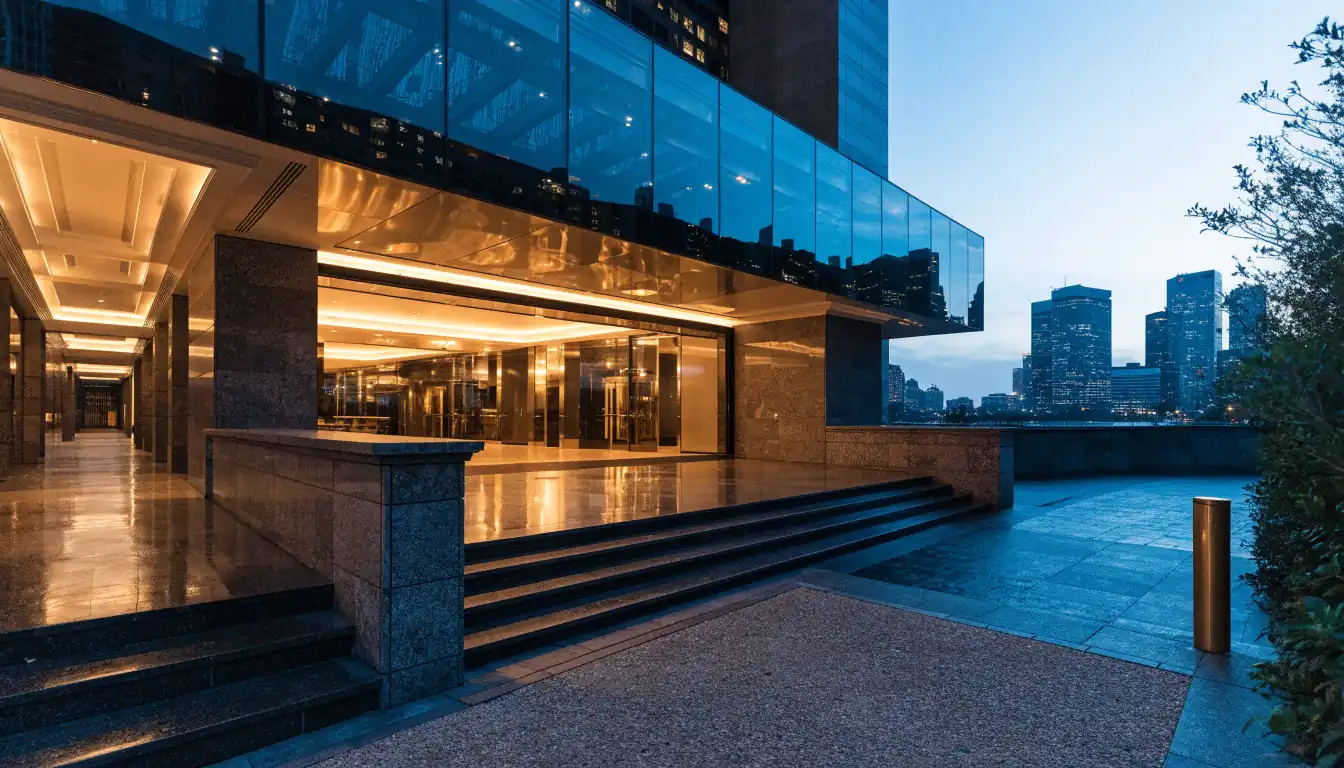
The practical choice depends on what the stay is meant to support. Someone planning a brief visit may value a straightforward route more than being in a particular neighbourhood. A longer stay may call for ordinary considerations such as access to other parts of Hobart, quiet at night and the terms for changing or cancelling a booking. These are questions for the accommodation provider, not assumptions that follow from a casino search.
There is also a difference between proximity and convenience. A nearby room does not necessarily include transport, parking, meals or any casino benefit. Nor does a casino-related phrase in a booking title prove that the property is owned by, attached to or formally partnered with the venue. The wording may simply describe the surrounding area. Small distinctions, large enough to affect a reservation.
The same care applies to advertised accommodation deals and casino promotions. A discount shown by a hotel, booking service or third party should be read according to its own conditions; it should not be taken as a casino offer unless the venue itself confirms that relationship. Check which business is providing the rate, what dates it covers and whether the booking conditions match the planned visit. A promotional label is not a promise of a connected stay.
For a Hobart casino visit, a sensible comparison begins with confirmed addresses and routes, then moves to the accommodation’s own terms. A map can help establish relative position, but current property information is needed to confirm the entrance, access arrangements and what the booking actually includes. If transport or parking is part of the plan, those details need separate confirmation rather than being inferred from the word “near”.
- Confirm the casino’s precise location from current venue information
- Check the actual route from the accommodation to the venue
- Verify booking conditions with the accommodation provider
- Treat a booking as part of a casino visit based only on a listing
- Assume a property is formally partnered with the venue due to a title
- Rely on broad claims of being “nearby” without matching the address
The phrase “casino accommodation” can mean several things: a room close to the venue, a hotel marketed to visitors, or a package linked to casino activity. Those meanings are not interchangeable. Until a relationship is explicitly stated by the businesses involved, independent lodging near the venue is the more accurate description. That is less glamorous than a bundled promise, and more useful when choosing where to sleep.
A final check should bring the booking back to its essentials: the property’s address, the route to the venue, the dates and the conditions attached to the room. The casino’s opening schedule and visitor arrangements are separate matters and should be checked through its own current information before travel. Accommodation can make a visit easier, but proximity alone cannot establish what the venue offers or whether a special rate exists. Better to book the room that is actually described.
Casino Hotel Rooms: What the Search Terms Assume
The phrase “casino hotel” suggests a single, joined-up destination: a room upstairs, gaming downstairs, and a booking handled under one name. It is a useful description only when the relationship is real. A hotel near a casino, a hotel operated by a casino, and a hotel physically connected to one are different arrangements, even when they appear close together in a map result.
For Hobart, the wording alone cannot establish that the casino has its own hotel or sells rooms under its name. Nor does a listing for a nearby hotel prove that the venue owns, manages or is formally partnered with it. These distinctions matter because the practical details follow from the arrangement: who takes the reservation, which property supplies the room, and whether any advertised connection is more than proximity.


A room page should identify the property itself, not rely on a broad label such as “casino hotel”. The hotel’s name, address, booking conditions and cancellation terms belong to the accommodation provider. If a casino-branded page sends guests elsewhere to complete a reservation, that hand-off should be clear. Branding can make separate businesses look like one institution; the booking record reveals who is responsible.
“Rooms” also raises questions that a general casino listing cannot answer. A credible room description would identify the room category and explain what is included, how accessibility is handled, and which policies apply to the stay. Availability and prices change, so neither can be inferred from the presence of a casino or from an old listing. A photograph, a room label or a promotional phrase is not a substitute for current booking information.
The same care applies to claims of convenience. “Connected” may mean a shared building, a direct internal route, a neighbouring address or simply a short journey between separate sites. Those are not interchangeable for guests planning around luggage, mobility, late arrivals or a return after an evening out. A map can help locate two properties; it cannot, by itself, confirm a shared entrance or an indoor connection.
A reliable check starts with the hotel’s own booking page and contact details, then compares the property name and address with any casino material describing a hotel relationship. The booking terms should say which business collects payment and handles changes. If the wording remains vague, the safest reading is that the room is offered by a separate accommodation provider until the arrangement is stated plainly.
A hotel near a casino, a hotel operated by a casino, and a hotel physically connected to one are different arrangements with different booking and management responsibilities.
Opening hours and show listings answer different questions. They concern venue operations and scheduled entertainment, not whether a hotel room exists, is available, or forms part of a package. Likewise, a hotel reservation does not establish that entry to an event or any other casino service is included. Each claim needs its own current confirmation.
That separation may seem fussy, but hospitality is built from responsibilities as much as walls. A bed can be nearby without belonging to the casino; a casino can be part of a trip without being the hotelier. The label is not the contract.
Getting There, Parking and the Online-Casino Distinction
A visit to a casino in Hobart is a physical journey, so parking questions belong to the practical side of the plan. But terms such as free parking and valet parking describe specific services, not general features of a casino. Without current venue information, neither can be assumed. Parking arrangements may change, and a listing that once mentioned a service can outlive the service itself.
Before setting out, check the venue’s own visitor information for the car park’s location, access arrangements, charges and any valet option. If those details are unclear, contacting the venue is more reliable than treating an old directory entry or a passing reference as confirmation. The same applies to restrictions that might affect a particular vehicle or visit. A car park is useful only when its terms are understood before arrival.


The route matters as well as the parking space. A map can show the approach to a venue, but it cannot confirm current access conditions or whether a particular entrance is open. Local traffic information and the venue’s latest directions can help fill that gap. The modest work of checking ahead is preferable to discovering, at the kerb, that an assumption was doing the driving.
Questions about bingo and dining are separate from the mechanics of getting there. A search for bingo at a casino does not establish that bingo is offered there; nor does a dining query confirm which food services operate on site. Those are venue-specific details and need current confirmation. Parking information cannot stand in for an amenities list, however often the subjects appear together in a search.
The distinction becomes more important when “casino online” enters the same set of questions. A land-based venue and an online casino are not interchangeable versions of one service. Under the Interactive Gambling Act 2001, operators based in Australia cannot provide real-money online casino games to people in Australia. The restriction covers casino games such as pokies, blackjack and roulette.
Offshore platforms sit outside Australian regulation. Their availability on a screen does not make them Australian-regulated services, and the fact that a player may encounter one online does not turn it into a local casino offering. The legal position for operators and the regulatory status of offshore platforms are different questions from whether a physical venue has parking, bingo or dining.
Attention: Offshore gambling platforms sit outside Australian regulation, and their availability does not make them Australian-regulated services.
That distinction is easy to lose in a single phrase such as “online casino in Hobart”. It can refer to a local venue’s website, information about visiting in person, or gambling services delivered over the internet. Only the first two are ordinary visitor-information questions. Online casino play is not a service that Australian-based operators may lawfully offer to people in Australia, while offshore services are not regulated under Australian law.
For anyone comparing a physical visit with online play, the comparison should stop there: one concerns a venue and its facilities; the other concerns a restricted service and an offshore regulatory gap. No amount of polished design closes that gap. The sensible preparation for a visit remains prosaic: confirm the parking arrangements directly, and verify any amenity separately rather than letting a broad label promise more than it says.
Contact Details and the Venue’s Visitor Information
A telephone number is useful only when it reaches the right desk. For a casino in Hobart, contact details should be taken from the venue’s own current website or an official business listing, rather than copied from an old directory entry. Listings can persist after details change; an outdated number is a small inconvenience until it is the number needed to confirm an important visit.
The same care applies to email addresses and enquiry forms. A general contact channel may handle broad questions, while matters such as accessibility, lost property or event entry may require a specific team. If a message concerns a booking or a time-sensitive arrangement, a reply should be confirmed before plans depend on it. A page displaying a number is not, by itself, evidence that the line is staffed at every hour.
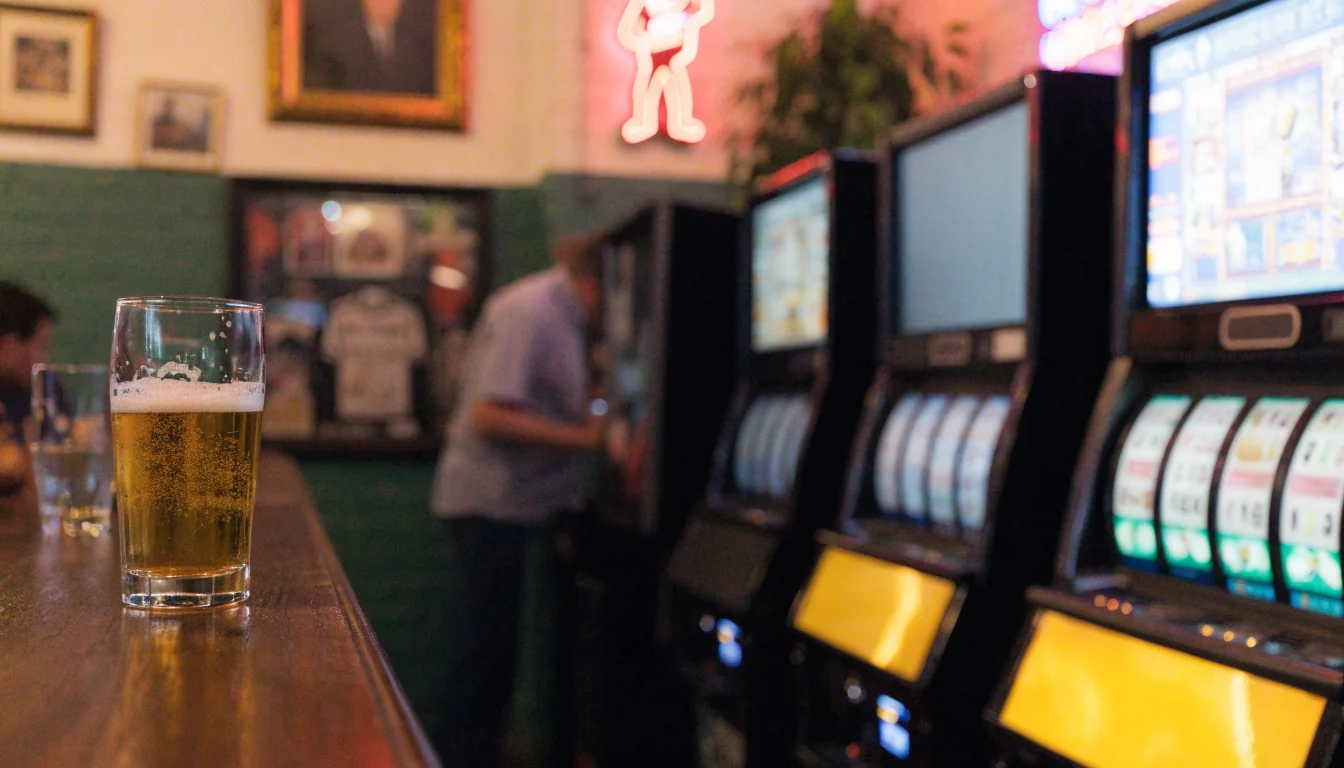
A map is more than a pin. The useful version identifies the venue’s entrance and shows how the building relates to nearby streets and transport points. For anyone arriving by car, the map should make clear whether a marked car park is actually associated with the venue and where its vehicle entrance lies. A map result can place a label over a large site without explaining which door or driveway serves visitors. Small cartographic ambiguities have a talent for becoming large ones in the rain.
Parking information is best checked alongside the map, not inferred from it. Details to confirm include access arrangements, any restrictions, and whether parking is available for the intended visit. A nearby parking symbol does not establish that spaces are reserved for casino visitors, nor does it show that access is available at all times. Current venue information is more dependable than assumptions drawn from a third-party map.
The same distinction matters for a bar. A search result or photograph may suggest that a bar operates on site, but it cannot confirm current service, entry arrangements or opening times. Those particulars belong in the venue’s live visitor information. They are separate from restaurant choice: a bar listing does not establish a broader dining offer, and a general venue page may not describe every service in detail.
Concerts require their own check. An old event notice can remain visible long after a performance has passed, while a general entertainment page may not amount to a confirmed programme. Dates, ticketing and entry conditions should be checked against current event information before travel is arranged. A venue’s association with entertainment is not proof that a particular concert is scheduled.
Visitor Logistics
- Use official websites for current contact details and maps
- Verify vehicle entrance and parking restrictions directly with the venue
- Confirm specific bar service and event dates via live visitor information
- Check the actual entrance to avoid cartographic ambiguities
Questions about baccarat or craps should also be treated as questions about current venue operations, not as a reason to assume either game is available. The names may appear in general casino material, but that does not establish what is offered in Hobart, where it is offered, or when. Direct confirmation through an official channel is the sounder route.
A practical visitor check therefore brings together the current contact details, a readable map, parking access and any specific bar or event information. Each item answers a different logistical question. None should be filled in by guesswork.
Breakfast, Buffet Searches and Casino Employment
Breakfast searches often carry an assumption inside them: that a casino venue serves morning meals, perhaps as part of a buffet. The wording alone cannot establish either point. A breakfast service and a buffet are separate offerings, and neither should be treated as available in Hobart without current venue information confirming it.
The distinction matters because hospitality details can change. A listing may describe a past service, a special occasion or an arrangement at another business, rather than a meal available to casino visitors now. Even a reference to a “resort” does not, by itself, establish that breakfast is served, that it is included with a stay or that a buffet operates. Those are different claims, each requiring its own current confirmation.
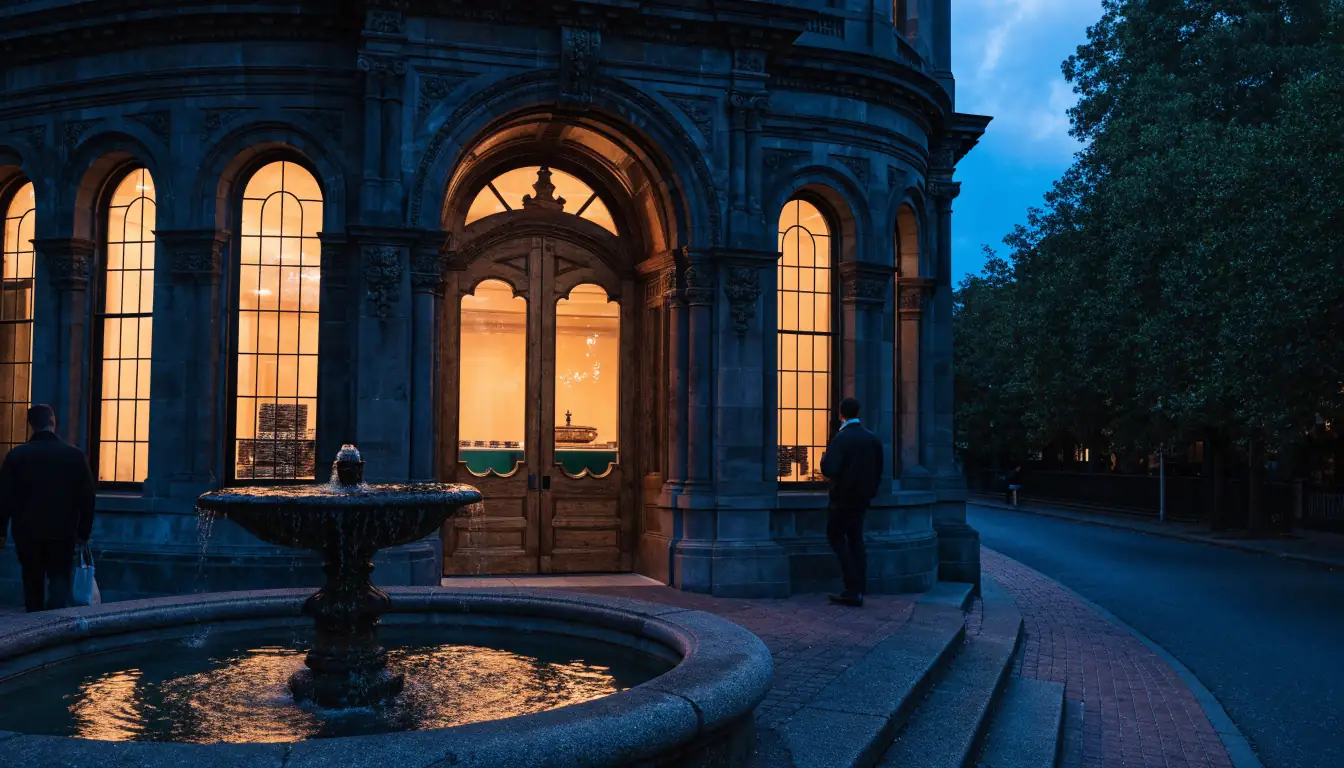
A useful check is whether the venue itself describes the service and gives enough detail to identify what is being offered: the dining outlet, service days, booking conditions and whether the meal is open to visitors or limited to particular guests. If those particulars are absent, the prudent reading is not that breakfast is included by implication. It is that the arrangement remains unclear.
The same care applies to buffet searches. “Buffet breakfast” can sound like a settled package, but a buffet may be seasonal, event-based or not offered at all. An old review or undated directory entry cannot settle what is operating now. A dated venue notice is more useful than a bare label.
Rewards searches raise a related, but separate, question. The word can refer to a loyalty scheme, a promotion or a benefit tied to another service; it does not prove that a particular programme exists or that it covers meals. Any claim about points, eligibility or redemption would need current terms from the venue. Hospitality and rewards are often made to sound like one package in promotional language. They need not be.
Employment searches require a different kind of evidence. A job title or an old vacancy copied across listings does not show that the casino is currently hiring. A reliable vacancy should identify the employer, the role, its duties and the application route, and should carry a date or other sign that it remains active. The distinction between a casino operator, a contractor and a separate hospitality business matters: a workplace associated with a venue is not necessarily staffed by the venue itself.
Employment Verification
To verify a casino job in Hobart, ensure the advertisement identifies the specific employer, the role’s duties, the application route, and a current date to confirm the vacancy is active.
For people considering casino jobs in Hobart, the useful questions are therefore practical rather than romantic. Who is employing? What work is involved? What conditions and qualifications are stated? Does the application lead to an identifiable organisation? A job advertisement should answer those questions plainly. Vague promises of a lively workplace answer none of them.
Breakfast, buffet and employment information belongs to different parts of a venue’s public picture. One concerns what is served; another, who provides the service; the third, who may be hiring. Search wording can put them side by side. It cannot make them the same thing.
Opening Hours, Development and Events
Whether a casino in Hobart is open is a question about the present, not a fact that can be settled by an old review or an undated directory entry. Opening status can change, and a listing that once described a venue does not establish that it is operating now. A reopening claim needs the same care: an announcement, a proposal and a completed return to business are different things.
The distinction matters because public language tends to compress them. “Development” may refer to an idea, a planning process, construction or a finished project; only the last of these describes a completed change on the ground. For a current account, the useful evidence would be a recent statement from the venue or the relevant public authority, with a date and a clear description of what has happened. Rumour is not a building permit. Nor is a plan an open door.
Entertainment listings need dates too. A concert or other event advertised for a past season says nothing about what is scheduled now, and a generic events page is not proof that a particular performance will take place. Event details can be checked against current venue announcements and the organiser’s own information. Where the listing gives no date, or does not distinguish a proposed event from a confirmed one, it cannot carry much weight.
Employment searches have a similarly shifting character. A past vacancy may have closed; a general careers page may describe an employer without showing that jobs are available in Hobart. A reliable notice should identify the location, role and application status, rather than leaving those essentials to inference. Hiring is a moment, not a permanent feature of a venue.
A menu is another kind of changing record. It may be useful for understanding what a venue has offered, but an old menu cannot establish present service or current prices. That belongs to a dated, current publication, not a review written at some earlier point. The same principle applies to reviews: they can record someone’s experience at a particular time, but they are not a live status report. Details age quietly.
For a considered review of the casino itself, the strongest account would separate observation from expectation. It would say when the assessment was made, what aspects were actually experienced, and which details may have changed since. Without that time frame, praise and criticism can both become historical artefacts presented as current guidance.
The public record around a venue is rarely one tidy document. Opening status, development, jobs and entertainment are separate questions, answered by different kinds of announcements and updated on different schedules. Treating them as one broad claim invites confusion. A dated statement can establish a dated fact; it cannot make every neighbouring detail current.
Opening status, development, jobs, and entertainment are separate questions updated on different schedules; a dated statement only establishes a fact for that specific date.
Spa Searches, Address and Dress Expectations
A search for a casino spa in Hobart can make an amenity sound settled before its existence has been established. A name appearing in a directory, an old visitor comment or a booking page is not the same as a current service at the venue. Spa facilities may belong to a nearby hotel or another business altogether. The distinction matters: proximity does not make an amenity part of the casino.
The same care applies to a day spa. Before planning a visit around treatments, check whether the service is operated at the casino itself, whether it is open to non-guests, and whether appointments are handled by the venue or a separate provider. Those details can change, and a page describing a broader precinct may combine several businesses under one address. A spa search is not proof of a spa.
Address details are more basic, but still worth checking against the venue’s current official visitor information before setting out. A map pin can point to an entrance, a car park or a neighbouring building; postal and street addresses are not always equally useful for arrival. The venue’s own directions should make clear which entrance serves visitors and whether the listed location is the casino rather than a nearby hotel or commercial premises. No invented shortcut improves on that.

Dress expectations are another detail that can be overstated by generic advice. Casinos may set entry conditions, and rules can differ between gaming areas, bars and special events. A photograph or an old comment cannot establish today’s policy. The dependable answer is the current guidance issued by the venue, especially if a particular event or area is involved. When no explicit dress rule is published, that is not a licence to assume a specific standard.
Bars, games and careers are separate questions, not evidence of a spa or a dress code. Current venue information can establish which bars and games are available, while employment information belongs with the operator’s official recruitment material. Those pages should identify the business responsible and indicate whether a listing is current. A broad precinct directory may mix casino services with those of other tenants.
The useful order is simple: establish the exact venue, confirm its address and visitor entrance, then check the relevant amenity or entry policy with the business that provides it. In Hobart, a plausible listing is not the same as a confirmed facility. Dry, but useful.
Restaurants at the Casino: What Needs Checking
A restaurant associated with a casino can mean several different things: dining inside the gaming venue, a separately operated business in the same complex, or a restaurant nearby that has become attached to the venue in casual description. Those distinctions matter before making a booking. A map pin or an old directory entry may establish proximity, but not current operation or a connection to the casino.
Restaurants located inside the gaming venue.
Separately operated businesses located within the same complex.
Restaurants in the vicinity that are often attached to the venue in casual descriptions.
For anyone comparing restaurants at a Hobart casino, the most useful starting point is the venue’s own current dining information. A listing should identify the restaurant by name and make clear whether it is on the premises or merely close by. If the casino’s official pages do not provide that detail, a direct enquiry to the venue can resolve the basic question without relying on third-party summaries.
Menus and service details deserve their own check. Online menus can remain visible after a restaurant has changed its offer, so the date or current status of the information matters. Dining times, booking arrangements, group policies and dietary options are all details that can affect a visit; none should be inferred from a restaurant’s name or from photographs. A menu image is not a promise of present service.
The phrase “casino restaurant” also says little about the atmosphere or purpose of a dining room. It may describe a formal meal, a casual stop between other activities, or a venue with a particular dress expectation. Recent photographs and the restaurant’s own description may help set expectations, but they are not substitutes for current terms when a particular occasion or accessibility need is involved. Glamour is not a booking policy.
The rooftop-bar searches call for similar precision. A bar with a view, a rooftop venue and a restaurant on an upper floor are not interchangeable descriptions. A listing should explicitly identify the location and explain whether food is served there, rather than leaving those points to implication. Where the venue’s own information is silent, the existence of a rooftop bar should not be treated as confirmed.
For a Hobart casino restaurant, the practical standard is modest: current information from the business itself, a clear indication of where it is, and confirmation of the details that matter to the booking. Independent listings can help locate possibilities, but opening status and restaurant affiliation are better established directly. That keeps “near the casino” from quietly becoming “at the casino”—a small wording shift with real consequences for the evening.

Food and Pool Queries Beyond the Restaurant Search
Food and a pool belong to the broader picture of a casino visit, but neither should be treated as an automatic feature of the venue. A request for food at a Hobart casino might mean a quick bite, a place to sit between activities, or simply somewhere to eat nearby. Those are different needs, and a general mention of dining would not establish that a food court exists.
The distinction matters because “food court” suggests a particular arrangement: several food outlets gathered around shared seating. A venue may have other ways of serving food, or none at all; the label alone is not evidence. Anyone comparing options should look for current venue information that identifies what is operating, where it is, and whether it is part of the casino or a separate business. Restaurant listings belong to a narrower question and do not answer this one.

A pool is an equally specific amenity. The word can refer to a swimming facility, but it may also be used loosely in unrelated contexts. In a visit plan, it should mean a facility whose existence, access conditions and operating status have been confirmed—not an assumption attached to the word “casino”. If swimming is central to the outing, a separate, current listing is more reliable than an old directory entry or an unqualified description.
There is a small social history in these expectations. Large leisure venues are often imagined as self-contained worlds: food, recreation and entertainment gathered under one roof. The image travels more easily than the details. A careful plan separates what is actually offered at the venue from what may be available elsewhere in Hobart, and checks each amenity on its own terms.
No inference should be drawn from the venue’s casino status alone. Food service, a food court and a pool are separate claims, each requiring its own confirmation. A precise description is less glamorous. It is also more useful.
What are the bonuses and wagering requirements?
Free-spin winnings commonly carry wagering requirements of 20x to 50x, and the stated requirement for free-spin winnings is 30x before withdrawal. Pokies typically contribute 100% toward wagering requirements.
What does the legal status of offshore online casinos and NSW gambling law say?
Australian-based operators cannot offer online casino games to people in Australia under the Interactive Gambling Act; offshore casinos are not regulated under Australian law, although it is technically not illegal for Australian players to use them. In NSW, gambling on poker machines is restricted to people aged 18 or older, and mandatory pre-commitment systems let players set a loss limit before playing.
How do online pokies operate?
Online pokies use a Random Number Generator (RNG), and each spin is independent of previous spins. RTP is the theoretical share of wagered money a pokie returns over a very large number of spins.
How do NSW pokies regulators monitor player protection?
NSW uses mandatory pre-commitment systems in which players set a loss limit before playing.
Which club has the most pokies in NSW?
Club Liverpool has the highest number of operational poker machines among clubs in NSW.
Are pokie machine outcomes random?
Yes. Online pokies use a Random Number Generator, and each spin is independent, so previous spins do not affect future outcomes.
Published by the Golden Star Casino team.