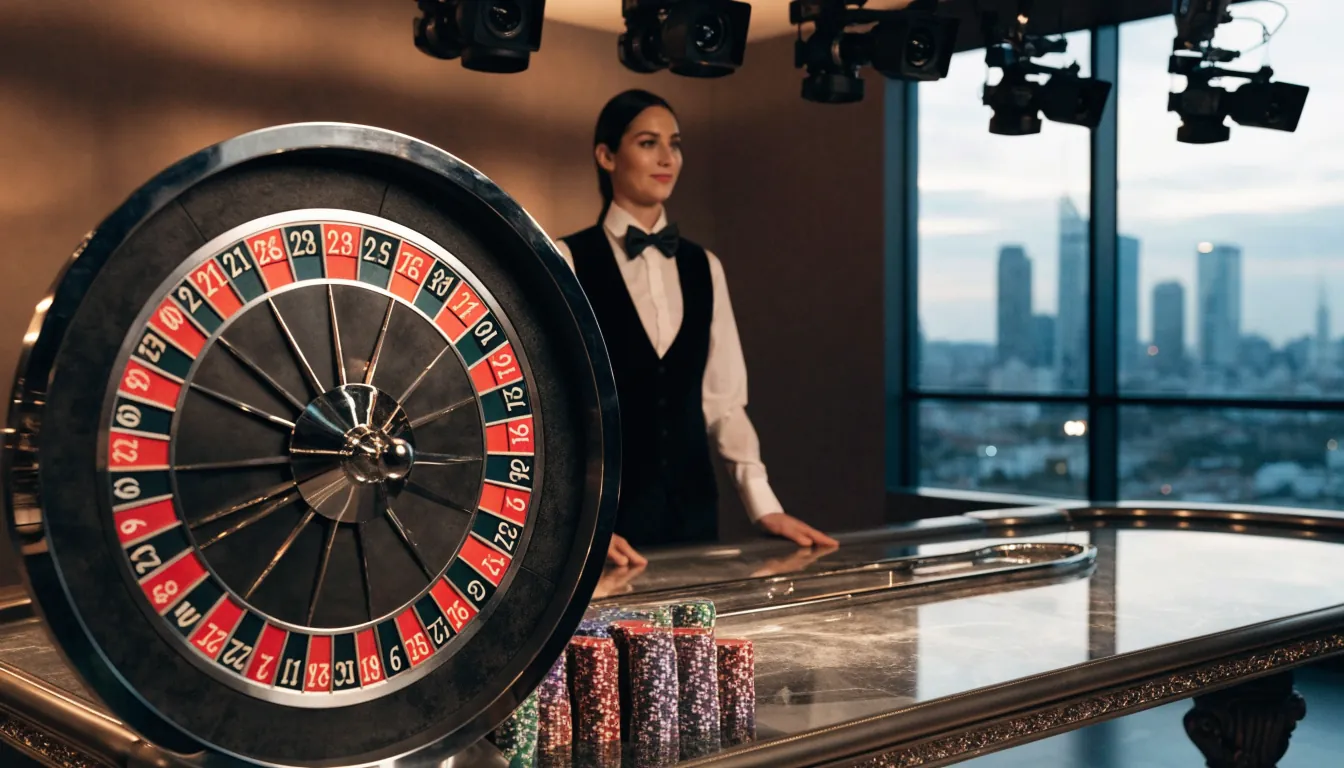
Best Casino in Victoria: Hotels and Visitor Searches
 Available in AU
Casino-related searches can point to separate services, nearby accommodation or amenities, so the distinctions matter before booking.
Table of Contents
- Victoria’s Casino Hotels: The Search for a Stay
- Poker Rooms and the Limits of What’s Verified
- Buffets, Breakfast and the Resort Promise
- Parking, Online Search Terms and Victoria’s Legal Boundary
- Accommodation Around the Casino
- Contact Details, Bars and Entertainment Queries
- Opening Hours, Events and the Public Face of a Casino
- Address, Dress Code and Spa Searches
- Restaurant Searches Without an Invented Menu
- Food Courts and Pool Queries
Victoria’s Casino Hotels: The Search for a Stay
A casino hotel search joins two separate decisions: whether to visit a casino and where to sleep. The words make them sound like one purchase, perhaps a room attached to a gaming floor, perhaps a hotel chosen for its proximity to one. But the phrase alone does not settle which arrangement is meant. It names an expectation, not a particular property.
That distinction matters in Victoria, where the casino is often treated in casual language as though it were also a hotel brand, a suburb and a ready-made holiday package. A search for a room at a casino can therefore mean several things: a hotel operated alongside a casino, a room offered as part of a stay-and-visit package, or simply accommodation in the same city as a casino. These are not interchangeable arrangements, even if a booking page might place them near one another.
Room searches tend to be practical. They ask what sort of stay is available, how it is described and whether its terms fit a particular trip. Deal searches add another layer: the desire to compare a room rate with some larger package or special offer. Yet “deal” is not a fixed product. Its value depends on what is included, when it can be used and what conditions attach to it. The word can signal a saving; it cannot, by itself, establish one.
Choosing a casino for Victoria in 2026 means weighing the details that are actually available, such as licensing, deposit requirements and payout information. Use this list as a starting point and check each operator’s current terms before signing up.
Payout speed: crypto under 1 hour, PayID 1-3 business days · Min. deposit: A$20 (A$30 to qualify for the bonus) Ricky Casino lists crypto payouts in under an hour and PayID payouts in 1–3 business days. The minimum deposit is A$20, or A$30 to qualify for the bonus.
License: Curacao eGaming (Hollycorn N.V., since 2017) · Min. deposit: A$20-30 (depends on the offer) Playfina Casino is operated by Hollycorn N.V. and has held a Curacao eGaming licence since 2017. Its minimum deposit is A$20–30, depending on the offer.
License: Curacao Gaming Control Board OGL/2023/176/0095 (Hollycorn N.V.) LuckyVibe is operated by Hollycorn N.V. under a Curacao Gaming Control Board licence, OGL/2023/176/0095.
License: Curacao eGaming OGL/2023/174/0082 (Dama N.V.) · Min. deposit: A$15 LevelUp Casino is operated by Dama N.V. under Curacao eGaming licence OGL/2023/174/0082. Its minimum deposit is A$15.
License: Curacao eGaming OGL/2024/923/0383 (Antillephone N.V.) · Min. deposit: A$30 WinSpirit Casino is operated by Antillephone N.V. under Curacao eGaming licence OGL/2024/923/0383. The minimum deposit is A$30.
License: Curacao · Payout speed: crypto 30-60 minutes, fiat 1-5 days · Min. deposit: A$10 Wild Tokyo lists a Curacao licence and a minimum deposit of A$10. Its stated payout times are 30–60 minutes for crypto and 1–5 days for fiat.
License: Curacao – Antillephone N.V. (Versus Odds B.V.) · Min. deposit: EUR 20 Thor Casino is operated by Versus Odds B.V. under a Curacao licence from Antillephone N.V. Its minimum deposit is EUR 20.
License: Tobique Gaming Commission · Payout speed: crypto ~10-15 minutes, fiat 1-5 days · Min. deposit: A$30 SkyCrown lists a Tobique Gaming Commission licence and a minimum deposit of A$30. Its stated payout times are around 10–15 minutes for crypto and 1–5 days for fiat.
License: Curacao eGaming (Dama N.V.) JeetCity Casino is listed with a Curacao eGaming licence and is operated by Dama N.V.
Payout speed: crypto 30-120 minutes, fiat 24-72 hours · Min. deposit: A$30 MrPacho lists crypto payouts in 30–120 minutes and fiat payouts in 24–72 hours. Its minimum deposit is A$30.
The broader phrase “casino hotel” carries a small piece of social history. Gambling venues have long presented themselves not merely as places to wager but as destinations, gathering rooms with a promise of entertainment, food and rest folded into one address. The hotel is part of that promise. It makes the casino feel less like a single-purpose visit and more like a miniature excursion, with the inconvenience of getting home apparently removed. The language does a good deal of work before any room key appears.
In Victoria, Crown Casino and Crown Melbourne are names associated with the land-based casino market. Their names do not, on their own, tell a traveller what a room costs, what facilities a hotel offers, or whether a particular package is available. Those details belong to an individual property and booking at a particular time. A general label cannot safely fill in the particulars.
This is why searches for hotels “at” a casino and hotels “near” one deserve different readings. The first suggests that the casino and accommodation may be part of the same destination. The second leaves room for an independent hotel elsewhere in the surrounding area. In either case, proximity is not a description of the stay: it says nothing by itself about the room, the service or the terms of a booking. Geography is not a floor plan.
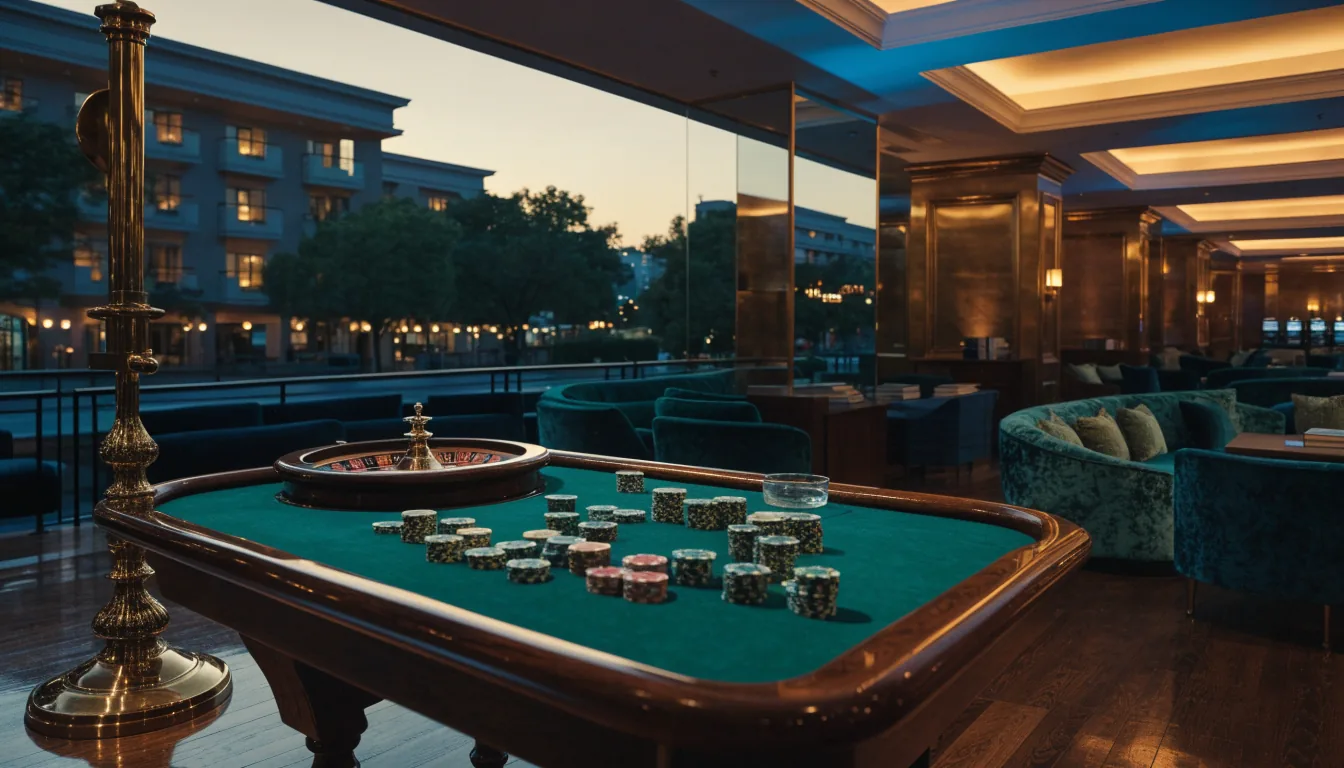
The language of a hotel deal can also make a visit seem more settled than it is. A room may be one component of an itinerary, while the casino visit remains a separate choice. Treating both as a single bundle can blur what is being paid for and which conditions apply to each part. The more persuasive the package language, the more useful it is to read its components as separate promises.
A stay built around a casino is therefore best understood as a lodging decision with a particular setting, rather than as proof that every casino search leads to a hotel. Victoria’s casino identity gives the phrase its pull; the details of a hotel booking must come from the property and offer actually presented. The distinction is plain, if less glamorous than the brochure. A room is still a room.
Poker Rooms and the Limits of What’s Verified
Poker has an unusually slippery name in casino language. A poker machine is not a poker table, and a room full of machines is not a poker room. The distinction is easy to lose in a quick description of a casino, where the same word can point to solitary play at a screen, a table game among people, or a scheduled tournament with its own rules and entry arrangements.
A specialist casino review reports that Crown Casino has more than 3,500 poker machines. In Australia, these are commonly called pokies. That figure describes the scale of one kind of gaming equipment; it does not describe poker tables, a dedicated poker room, or the size of any tournament. The labels sound related. The formats are not.
Poker Machines
A specialist casino review reports that Crown Casino has more than 3,500 poker machines, commonly referred to in Australia as pokies.
This is why searches for poker at a Victorian casino can lead to several different expectations. Some people may be looking for a place to play table poker, others for a tournament calendar, and others for the broader gaming floor. Those are separate questions, even when they arrive in the same handful of words. A machine count cannot answer them all.
Tournament information has a further complication: it is time-sensitive. A room, if one is operating, is a venue question; a tournament is also an event question. Its dates, format, registration arrangements and availability would need to be current before they could be treated as useful information. A general description of a casino cannot stand in for an event listing. Nor does the existence of poker machines imply that a tournament is scheduled.
There is a social difference beneath the vocabulary. Pokies organise play around an individual and a machine; poker tables organise it around other players, rules and turns. Tournament poker adds a public timetable and a competitive frame. One word, several kinds of evening. The machinery is easier to count.
The phrase “casino rooms” can also mean something other than a poker room: it may refer to accommodation, or simply to rooms within a venue. In this context, the relevant distinction is between a gaming area and a place to stay. Neither meaning should be smuggled into a statement about poker facilities. A casino’s scale, by itself, does not settle what kind of room is being discussed.
Sports bars sometimes enter the same cluster of interest because they suggest a place to watch sport alongside casino activity. But that is a separate venue feature, not evidence of poker tables or tournament play. Likewise, whether a casino is open on a particular day is an operational question, not a measure of what poker formats are available. These details belong to different kinds of information and should not be treated as interchangeable.
That gives a sense of machine scale, not a map of the poker offer. It does not establish a dedicated room, table games, a tournament programme or current event dates. Those distinctions are not pedantry; they are what keep a figure about pokies from becoming a claim about a different game.

Buffets, Breakfast and the Resort Promise
Breakfast and buffet searches are often shorthand for a broader expectation: that a casino visit can be made into a day, or an evening, with food already folded into the occasion. The words suggest more than a plate. They evoke a timetable, a choice of dishes, perhaps a meal that feels like part of a larger leisure package. But the idea of a casino resort is not proof that any particular breakfast service or buffet is available in Victoria.
That distinction matters because a resort is a format, not a menu. The word can imply several activities gathered under one commercial roof, while leaving the practical details entirely unsettled. A search for breakfast at a Victorian casino may be looking for service times, booking arrangements, dietary choices or a price. A buffet search carries its own assumptions about selection and access. None of those details can be safely inferred from the label “resort” alone.
The promise is familiar in casino culture: keep the guest inside a managed world, where food, play and other leisure might seem to belong to one continuous experience. It is a compelling piece of design, but also a piece of language. Without confirmed information about a particular venue, “casino resort” describes an expectation rather than a reliable account of what can be ordered, when it is served, or whether a buffet exists at all. The brochure word does a lot of work.
Breakfast is especially revealing because it turns a night-time entertainment setting into a morning destination. That transition can make a casino seem less like a single-purpose venue and more like a place for a full day out. Yet an early meal is a practical service, not an automatic consequence of the resort label. A visitor needs concrete details before treating a breakfast search as evidence of an available meal; otherwise, the phrase records a hope, not a plan.
Buffet expectations are similarly specific. The term suggests self-service and breadth, but says nothing by itself about the dishes, opening arrangements, cost or whether the service is operating. Those are the details that determine whether a buffet suits a particular occasion. Without them, the word remains an attractive category, not a dependable offer. A search for a Victorian casino buffet should not be mistaken for confirmation that one can be found.
Rewards searches belong to the same broad promise of a joined-up experience, though they concern a different kind of value. A rewards programme might sound like a way to connect visits, meals or other services, but its name alone establishes no benefits, eligibility rules or terms. It is unwise to build a meal plan around assumed rewards. The mechanics matter more than the label.
Employment searches sit at the edge of this picture. Someone looking for casino work is not asking what is on the breakfast menu; they are looking for vacancies and the conditions attached to them. A resort’s apparent scale does not confirm that a role is open, nor does a broad search phrase identify a particular employer or position. The two interests meet only in the institution itself: one person sees a leisure package, another a workplace.
For anyone comparing these ideas, the useful distinction is between the concept and the service. A casino may be described in resort language, while breakfast, buffet access and rewards remain separate questions requiring current, venue-specific information. The image is expansive. The evidence must be narrower.
Parking, Online Search Terms and Victoria’s Legal Boundary
Parking and online play sit beside one another in searches for a Victorian casino, though they belong to different kinds of decision. One concerns the practical arrival at a physical venue; the other asks whether casino games can be accessed through a screen. Words such as “free” or “valet” express a hope about the first. They do not establish that either service is available, or on what terms. The distinction matters: a search phrase is not a facilities list.
The same is true of searches that combine casino dining or bingo with Victoria. They may reflect an expectation of a broad entertainment complex, or simply a wish to compare what a casino offers. But a cluster of interests does not turn into evidence about a particular venue. Parking remains a practical question about a place; online casino play is governed by a national legal boundary.
Legal Prohibition
The Interactive Gambling Act 2001 and federal law prohibit operators from providing real-money online casino games to people in Australia, including Victorian residents.
That boundary is not a matter of branding or geography alone. The Interactive Gambling Act 2001 prevents operators from providing real-money online casino games to people in Australia. Federal law also bars online casino operators from offering casino games to Victorian residents. An operator’s location overseas does not make those games lawful to offer in Australia, and an online product’s accessibility in a search result is not proof of permission.
The law is unusually clear about the category. Slots, roulette and blackjack are not offered through Victorian-licensed online casinos; no such licences exist. Australia’s framework does not create a local licensing route for an online casino to provide those games to Victorian customers. The Australian Communications and Media Authority (ACMA) is the federal agency responsible for enforcing the Interactive Gambling Act.
A casino building and an online casino may share a name in ordinary conversation, but they do not share a legal status by association. Victorian regulation of physical casinos does not extend into a licence for online casino-style games. Nor does a search result, an advertisement or a payment option alter the prohibition on operators supplying them to Australians. A familiar interface can make a service look local. The law looks elsewhere.
This is why “best casino in Victoria” can point in two directions. It may mean a comparison of physical venues, where parking is one logistical concern among many. Or it may be shorthand for an online casino, where the premise runs into the Interactive Gambling Act before questions of convenience or presentation arise. The phrase itself settles nothing.
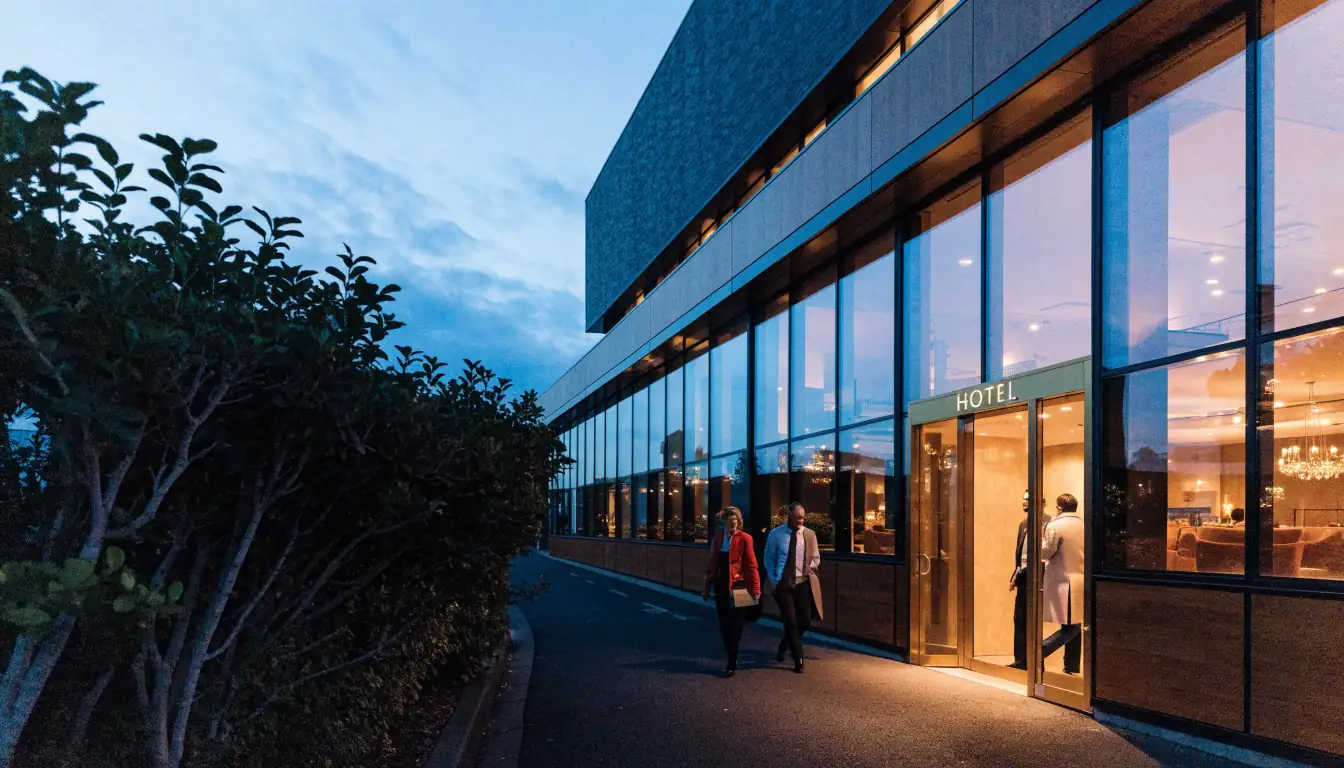
For physical parking, details such as free access or valet service must be tied to a named venue and current information. Without that grounding, claims would turn a practical search into an invented promise. For online casino games, the issue is not a missing amenity but a prohibition on their provision to Victorian residents. Two different uncertainties, then: one about what a place supplies, the other about what operators may legally offer.
The boundary is not subtle. The search box, however, is indifferent to it.
Accommodation Around the Casino
A stay described as “near the casino” can mean several different things: a room within a larger resort, a separate place in the surrounding area, or somewhere chosen mainly for its connection to a casino visit. Those are different arrangements, even when a booking page places them under the same broad heading. The distinction matters because the phrase alone says nothing about the property, the distance involved or what a stay includes.
“Victoria casino accommodation” is similarly broad. Victoria is a state, not a single building, and a casino-related stay depends on which venue is meant and where it sits in relation to the rest of a trip. The casino can be the anchor for an overnight visit without being the only reason for choosing a location. Transport, other plans and the shape of the stay all affect what “nearby” means.
That makes accommodation deals difficult to judge by the label alone. A reduced rate, if one appears in an offer, is only one part of the arrangement; the dates, room conditions, cancellation terms and any inclusions determine what the price actually buys. A promotion connected with a casino may refer to lodging, gaming, or a package combining different elements. The word deal does not explain which. Nor does it establish that a particular offer is available.
- Separate the room booking from the casino association
- Verify specific dates, room conditions, and cancellation terms
- Check the exact location to understand what “nearby” means
- Assume a “deal” includes gaming or specific packages
- Trust that a casino name guarantees on-site rooms
- Rely on a general label to determine the property price
There is a familiar social logic behind combining a casino visit with a stay. Gambling venues have long been presented not merely as rooms for play but as destinations, inviting visitors to extend an evening into a broader outing. That framing turns accommodation into part of the promise: less a bed in isolation than a way to organise time around a venue. The promise is easy to sell. Its practical details still belong to the specific booking.
The name attached to a venue can also blur the boundary between a casino and a place to stay. A casino may be associated with a larger destination, but that association does not by itself establish that rooms are on site, included in a package, or offered at a particular price. Likewise, a listing described as accommodation near a casino need not be operated by the casino. These differences are ordinary, but they change what a booking represents.
Victoria’s casino landscape also sits within a regulated gambling setting. Crown Casino is one named operator in the available information, and a specialist casino review has reported that it has over 3,500 poker machines. That is a claim attributed to that type of review, not a standard for accommodation or a guide to every casino in the state. A machine count cannot tell a visitor whether a room is available, what it costs, or how close a separate property is.

The useful way to read an accommodation offer is therefore to separate the stay from the casino association. A room is a room; a package is a bundle whose terms matter; and “near” is a relationship that needs a clear location to mean anything. Casino language may draw the eye. The booking conditions do the quieter work.
Contact Details, Bars and Entertainment Queries
A casino contact number is often sought for an ordinary reason: confirming a booking, asking about access, or checking where a department can be reached. The difficulty is that a number detached from its context can be less useful than no number at all. Large venues may have separate contacts for general enquiries, reservations, employment and customer support; a result labelled simply “casino contact” does not show which of those questions it serves.
The same care applies to a map. A map pin can mark a broad complex rather than a particular entrance, drop-off point or car park. For a visit, the distinction is practical: the destination may be clear while the route into the relevant part of the site is not. A venue’s own current directions and contact channels are better suited to resolving those details than an old listing copied across directories. Search results have a talent for preserving yesterday.

The words “casino bar” carry a different kind of expectation. They may refer to a place for drinks before an evening out, a meeting point within a larger venue, or simply the hope that entertainment and hospitality sit close together. None of those meanings identifies a particular bar, its setting, service, access arrangements or current availability. A name in a directory, if encountered, is not by itself a description of what the venue offers today.
Concert searches introduce another distinction: a permanent entertainment space is not the same thing as a scheduled performance. A search for concerts at a casino may be prompted by a past event, a touring act, or a general association between large venues and live shows. Event details are time-sensitive, and a mention of a concert does not establish that tickets remain available or that a performance is still scheduled. Listings need to be read as dated announcements, not as permanent features of the casino’s identity.
Game names can create a similar leap. Baccarat and craps are recognisable casino games, but typing a game into a venue search does not establish that it is offered there, in what form, or at what time. The distinction matters because a game’s existence in the wider casino world says nothing reliable about a specific venue’s current tables or arrangements. A label is not a floor plan.
Victoria’s land-based casinos operate under state oversight. The Victorian Commission for Gambling and Liquor Regulation monitors casinos in the state, while the state’s gambling framework also covers live casinos and horse racing. That institutional fact gives the public face of casino activity a regulator; it does not turn every directory entry, event mention or game reference into an official venue notice.
Contact, map, bar and concert information belongs to the practical layer of a visit: how to reach the right place, what is happening, and whether a claimed feature is current. These details are most useful when they are tied to a named venue and a dated, direct notice. The broader the wording, the easier it is for expectation to outrun evidence. One small gap can send an evening in the wrong direction.

Opening Hours, Events and the Public Face of a Casino
“Open” can mean several things: that a casino exists, that its doors are operating on a particular day, or that a particular service or event is available. Those are not interchangeable claims. A general description of a venue cannot establish its current hours, and an old notice about an event cannot confirm that it is still scheduled. For anyone assessing whether a casino is open, the useful distinction is between a venue’s enduring identity and information that can change.
Victoria’s land-based casinos sit within a regulated system. The Victorian Commission for Gambling and Liquor Regulation oversees casinos in the state, while the wider public-facing picture includes the people who work there, the events associated with them and the development decisions that shape their place in a city. Regulation establishes oversight; it does not, by itself, answer whether a specific venue is open today or whether an advertised event is proceeding.
That difference matters because casino searches often bundle operational facts with impressions. A review may describe a visit or offer an opinion about a venue, but it is not necessarily a reliable record of current hours, employment openings or upcoming events. Reviews have a public life of their own: they preserve a moment, while the venue continues changing. Useful as testimony, limited as a timetable.
The same caution applies to development and employment. A question about casino development concerns changes to a business or its surroundings; a question about employment concerns roles and hiring. Neither can be answered by assuming that a casino’s public profile reveals its current plans or vacancies. Those details belong to specific, current announcements rather than to the general idea of a casino as a major workplace or city attraction.
Event information needs similar care. A listing can name a performance or gathering without proving that it remains current, and a venue’s association with entertainment does not confirm a particular programme. The distinction is plain, though often overlooked: a calendar entry is a dated claim, not a permanent feature of the building.
A menu search points to another kind of practical information. It asks what is available at a given place and time, not whether the casino itself is operating. Treating the two as equivalent would turn a broad venue description into an unreliable answer about a specific service.

For a considered view of a casino, the questions are therefore separate: what the regulator oversees, what the venue currently states about its operation, and whether event, employment or development information is current. The public face of a casino is assembled from all of these, but no single impression can stand in for them. Details change. Oversight remains.
Address, Dress Code and Spa Searches
An address looks like a small piece of information, but it does important work: it turns a broad idea of “a casino in Victoria” into a place that can be located. The state name alone does not identify a particular entrance, building or venue. Crown Melbourne is one casino name associated with the state, but a name is not a street address, and it should not be made to stand in for one.
That distinction matters when practical arrangements depend on location. A result using “Victoria casino” may refer to the state, while “Casino Victoria” may be a rearrangement of the same words rather than the name of a separate venue. Search language is economical; geography is not. An address needs to belong to a clearly identified operator and venue, not merely match a phrase.
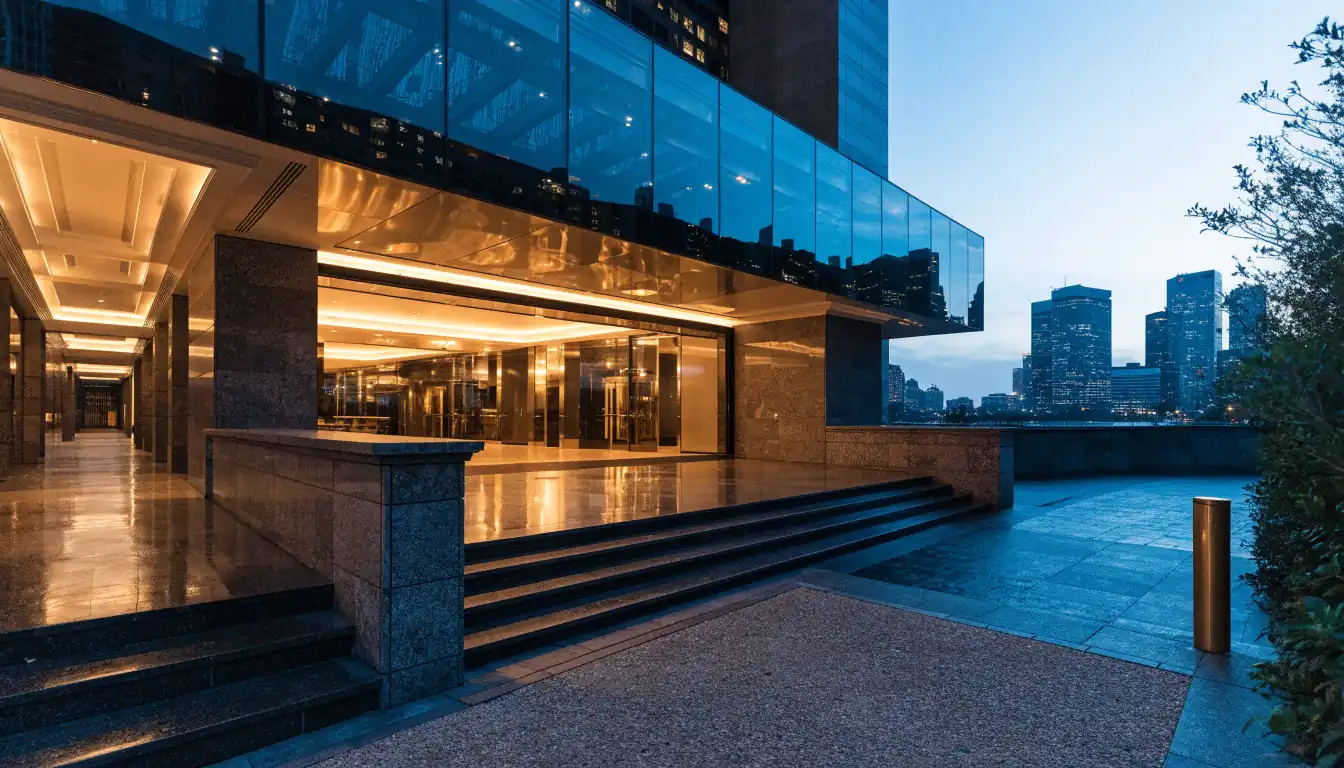
Dress codes carry a different kind of uncertainty. A rule may depend on the venue, the area being visited or the occasion, and a general assumption about casino attire cannot establish a specific policy. Formal clothing is not automatically required simply because gambling takes place indoors; neither is casual dress necessarily accepted everywhere. The useful distinction is between a customary impression and a rule set by an individual venue. Only the latter can settle what is expected at its doors.
The same care applies to spa searches. The word “resort” can suggest a joined-up world of leisure, where gaming, accommodation and wellness sit under one roof. That image is familiar in travel marketing, but the word alone does not prove that a particular casino has a day spa, offers treatments or admits non-guests to such facilities. A spa is a specific service, not a decorative synonym for luxury.
Career searches also belong to the practical side of a venue’s public identity. They concern the organisation as an employer, rather than what visitors can do inside. Names and job listings can change, so a general description of casino work cannot substitute for a current vacancy or application process. The search itself reveals an expectation: a prominent venue is imagined not only as a destination but as a workplace.
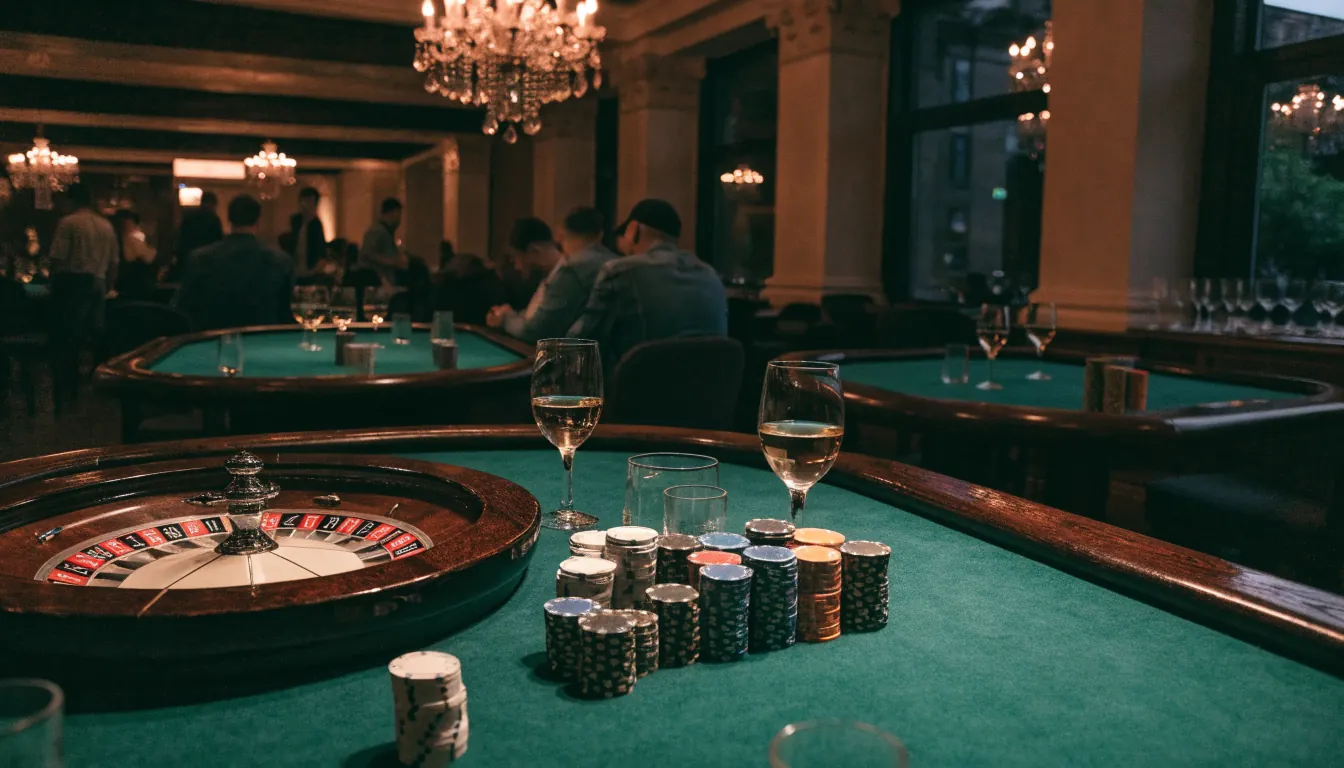
Addresses, dress rules and spa facilities may appear to be minor details beside the spectacle of a casino. In practice, they are the details that decide whether an imagined visit corresponds to a real place and its actual arrangements. The label is not the building.
Restaurant Searches Without an Invented Menu
A restaurant associated with a casino is more than a place to eat. It is part of the promise that gambling can be folded into an evening out: dinner, a room, a show, perhaps a long walk through a brightly lit interior. That promise is familiar enough to shape expectations, but it does not establish which dining venues operate at any particular Victorian casino.
The phrase “Victoria casino restaurants” can mean several things. It may point to restaurants inside a casino complex, places nearby, or simply dining options attached to a wider leisure destination. Those are different practical questions. A restaurant in the same building is not the same as one across the street, and a venue’s presence in an old directory does not establish that it is still open or serving the same kind of food.
That distinction matters because names and menus are unusually perishable details. A dining room can change its name, close, or alter its offering while the casino itself remains. Even the word “restaurant” can cover a formal dining room, a casual venue or a counter-service operation. None of those descriptions should be assigned to a particular place without current confirmation.
The broader phrase “casino in Victoria, Australia” supplies a location, not a dining guide. Nor does the idea of a rooftop restaurant or rooftop bar prove that such a venue exists at a casino in the state. Rooftops carry their own little theatre: a view, an elevated table, the suggestion that the city has been arranged below for private enjoyment. The suggestion is not a listing.
A useful distinction, then, is between the kind of information a casino name can establish and the kind that needs a separate check. The name may identify an operator or destination. It cannot, by itself, settle the current restaurant names, opening arrangements, cuisine, booking conditions or prices. Those details belong to the venue’s present information, not to the general idea of casino dining.

This restraint may seem less satisfying than a polished catalogue. Yet an invented menu is not a harmless flourish. It can send someone across a city for a meal that exists only in a sentence, or leave them planning an occasion around a venue that has changed. A restaurant search deserves a concrete answer, but a confident fiction is not one.
The casino and the restaurant remain separate propositions until the dining venue is identified. That is less glamorous. It is also the point.
Food Courts and Pool Queries
Food courts and pools belong to a different idea of a casino from the gaming floor: a place designed to hold people for longer, with ordinary leisure arranged around gambling. The appeal is easy to understand. A food court suggests choice and informality; a pool suggests a resort, where the visit might include something beyond the casino itself.
But those expectations should not be mistaken for a description of any particular Victorian venue. A search for food at a casino does not establish that there is a food court, or say what it serves. Nor does a pool-related search confirm that a casino has a swimming pool. These are separate facilities, and their presence cannot be inferred from the word “casino” or from a broader resort image.
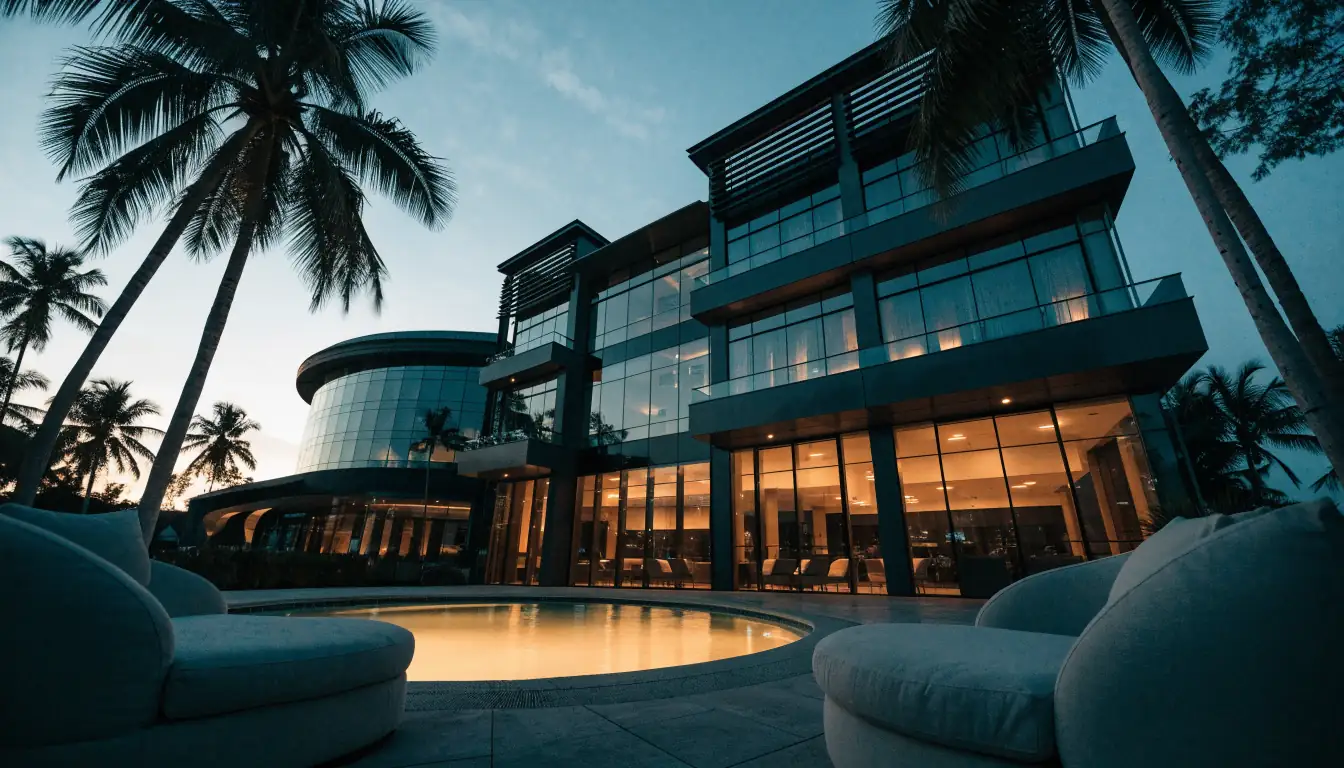
That distinction matters because the labels do different work. “Food” can mean a quick meal, a takeaway counter or simply a hope that refreshments are available. A food court implies a particular kind of shared dining space. A pool is more specific still: it points to recreation and often to a resort-style setting. Treating all three as interchangeable would turn a visitor’s expectation into a claim about a venue.
The phrase best casino in Victoria 2026 can therefore carry an unspoken question about what surrounds the gambling: whether a place offers enough to make a visit feel like a day out rather than a single-purpose stop. The answer cannot be supplied by the category alone. Food courts and pools are amenities, not automatic features of a casino, and any account of them needs to be tied to a named venue and reliable information about that venue.
A useful distinction, then, is modest but important: wanting food or a pool on site is a real part of how people imagine a casino visit. It is not proof that either facility exists. The resort promise is not the facility.
Is online casino gambling legal in Victoria?
Australian law prohibits online casino operators from offering casino-style games to people in Victoria. It is not generally a criminal offence for an individual to play at an offshore-licensed casino.
What is the minimum age to play?
You must be at least 18 to gamble in Victoria, whether online or in person.
Are my personal and financial details safe?
Offshore sites are outside Victoria’s gambling regulatory system, so players may have fewer protections in disputes involving accounts, payments or complaints. Casinos may also require identity documents before approving withdrawals.
Are offshore casinos safe for Victorian players?
Offshore casinos are not licensed or regulated under Victoria’s gambling system, so players may have fewer protections if payment, account or complaint disputes arise.
Is gambling regulated?
Yes. Victoria regulates land-based casinos and licensed betting and wagering services, while the Australian Communications and Media Authority enforces the federal Interactive Gambling Act. The Victorian Commission for Gambling and Liquor Regulation oversees live casinos in the state.
Are crypto casinos legal in Australia in 2026?
Using cryptocurrency does not change the rules: online casino-style games cannot legally be offered to Australian players by operators. Playing at an offshore site is not generally a criminal offence for an individual, but those sites are outside Victoria’s gambling regulatory system.
What is the legal gambling age in Victoria, Australia?
The legal gambling age in Victoria is 18 for both online and live play.
Written by the editors at Golden Star Casino.